Anatomia Cirúrgica da REGIÃO INGUINAL
A hérnia inguinal é uma condição comum que ocorre quando um órgão abdominal protraí através de uma fraqueza na parede abdominal na região abdominal. O orifício miopectineal é a principal área de fraqueza na parede abdominal onde a hérnia inguinal pode se desenvolver. O conhecimento da anatomia da parede abdominal é importante para entender a patofisiologia da hérnia inguinal e para ajudar no diagnóstico e tratamento dessa condição médica comum.
Subtotal cholecystectomy for difficult acute cholecystitis
Laparoscopic cholecystectomy is considered the gold standard for treatment of benign gallbladder diseases. Cholecystectomy using this method can be completed in 90% of elective cholecystectomies and 70% of emergency cholecystectomies. Acute cholecystitis, especially if difficult, can change the above paradigm, resulting in open conversion or change of technique. The conditions that define a difficult cholecystectomy are as follows: necessity of conversion from laparoscopic to open surgery; duration of procedure greater than 180 min; blood loss greater than 300 ml; and urgent need for involvement of a more experienced surgeon. One of the “rescue” procedures to complete the surgery safely (both for the surgeons and patients) is subtotal cholecystectomy (STC). Open and laparoscopic subtotal cholecystectomy have been reported. For many surgeons, this is considered a bail out technique, and the timing of decision making is crucial to avoid catastrophic complications. Te capability to perform STC in laparoscopy is increasingly requested during difficult laparoscopic cholecystectomy. Difficult LC has a risk of BDI from 3 to 5 times higher in laparoscopy than open surgery. In case of operative difficulties of young surgeons mostly trained in laparoscopy the help of senior surgeons is strongly recommended. The purpose of the present study is to clarify how laparoscopic subtotal cholecystectomy may be used to complete a difficult cholecystectomy for acute cholecystitis without serious complications.

Biliary leakage represents the most frequent complication of incomplete resection of the gallbladder wall in cases of difficult acute cholecystectomy treated with subtotal cholecystectomy. This complication is rarely fatal but requires correct treatment. If bile leakage does not stop spontaneously seven days postoperatively, the possible treatments are endoscopic biliary sphincterotomy, endoscopic plastic stent, and a fully covered self-expanding metal stent. When performing closure of the gallbladder stump, suturing the anterior residual of both anterior and posterior wall represents the best method to have fewer complications. Complications, if not lethal, decrease the patient’s quality of life. Intraoperatively, it is of utmost importance to carefully expose the gallbladder stump to avoid left-in-place stones, wash the entire cavity and drain the abdomen. Bile duct injuries can be a significant complication in this type of surgery. Prevention of the lesions with conversion from laparoscopic to open, or the opinion of older surgeon in case of difficulties is strongly recommended. Mortality is a very rare complication. The limitations of our study are given by the heterogeneity of the techniques used for LSC and the lack of a long-term follow-up analyzing the related complications.
Metabolismo Perioperatório
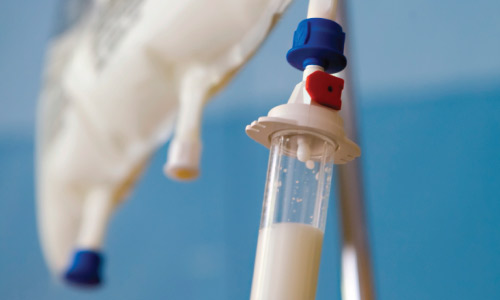
A melhor forma de se conhecer as necessidades energéticas é através de sua medida por calorimetria indireta, cada vez mais disponível em nosso ambiente hospitalar. Quando não se dispõe de calorimetria indireta, é possível estimar o gasto energético por meio de fórmulas estimativas que levam em conta, entre outros fatores, o peso e altura corpóreos, idade e sexo. Das diferentes fórmulas disponíveis, a equação de Harris-Benedict tem sido muito usada. Para homens a formula é 66,5 + (13.8 x peso [kg])+(5,0 x altura [cm]) – (6,8 x idade [anos]). Para mulheres a formula é diferente: 655 + (9,6 x peso [kg]) + (1,7 x altura [cm]) – (4,7 x idade [anos]). A regra de bolso (30-35 kcal/kg/dia) é mais prática e também é muito utilizada. No período pré-operatório a oferta de proteína deve ser em torno de 1,0-1,5 g/Kg/dia e, após trauma ou intervenção cirúrgica aumenta, podendo chegar até 2,0 g/Kg/dia. Em pacientes com SIRS moderado, a oferta calórica deve ser menor (25-30 kcal/kg/dia). Pacientes em estresse importante (SIRS grave, sepse) devem receber 20-25 kal/kg/dia e 1,5 a 2,0 g de proteínas/kg/dia. Deve-se evitar em pacientes gravemente desnutridos aporte rápido de calorias e proteínas (síndrome da realimentação). Nesses pacientes a oferta deve ser cautelosa com controle diário de fósforo, magnésio e potássio.




 The SURGEON